The tape gun has been a packing room staple for decades. It is cheap, familiar, and gets the job done—sort of. But anyone who has dealt with popped seals, wasted tape, or inconsistent application knows the limitations. A paper tape machine offers a different approach. Instead of relying on operator skill to produce a decent seal, it uses precise mechanics to apply a strip of kraft paper that bonds permanently to the carton. This is not a minor improvement; it is a fundamental change in how boxes are closed.
Why Conventional Tape Falls Short
Most packing operations treat tape as an afterthought, a low-cost consumable that does not merit much attention. That mindset overlooks the actual cost of poor sealing. Packages that fail in transit lead to returns, refunds, and dissatisfied customers. Even when the tape holds, the uneven application of plastic tape—wrinkled strips, uneven lengths, and excess overhang—creates a sloppy impression. A paper tape machine eliminates these variables. The tape it dispenses is gummed paper with a starch-based adhesive that only activates when wet. Once applied, it fuses with the carton fibers, creating a seal that is permanent and tamper-evident. The application is clean and uniform, reflecting a higher standard of quality.
How a Paper Tape Machine Operates
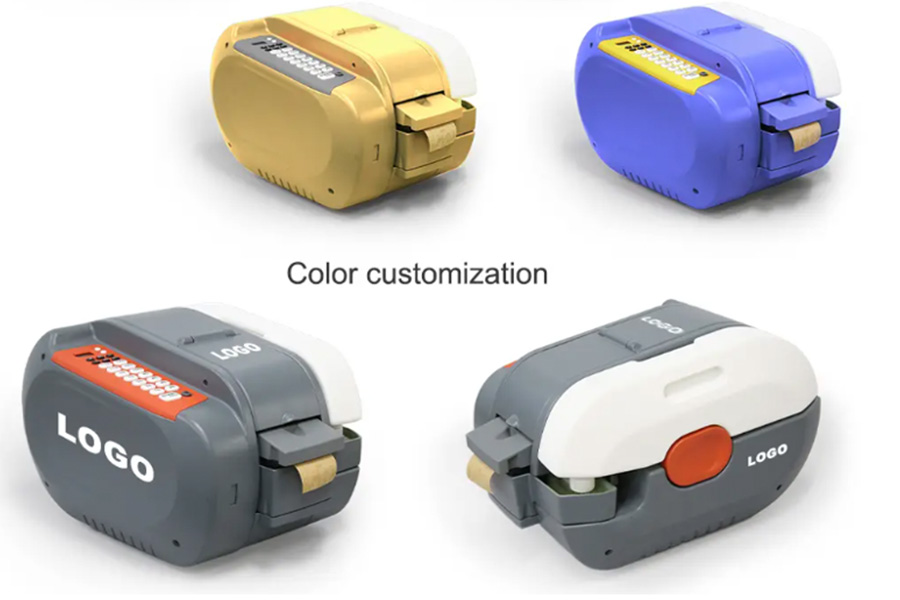
The mechanism of a paper tape machine is straightforward but requires careful engineering. The machine holds a roll of kraft tape coated with a dry adhesive. When activated, the tape feeds through a water bath that moistens the adhesive to the correct level. A heated reservoir ensures the water remains at an optimal temperature, which is critical for consistent activation, especially in cold environments. The operator can set the desired tape length, ranging from 15 to over 200 centimeters, and the machine cuts the tape precisely. The wetted tape is then presented for application. The result is a strong, durable bond that forms in seconds and strengthens as it dries.
Where the Equipment Proves Its Value
The benefits of a paper tape machine become most apparent in specific operational contexts. E-commerce fulfillment centers handling high order volumes need packaging that moves fast but stays secure. The machine’s ability to dispense the exact tape length for each box size eliminates guesswork and reduces handling time. Industrial manufacturers, shipping heavy components, require a seal that can withstand rough handling and stacking. The superior shear strength of water-activated tape prevents the sliding failures common with plastic tape. Cold chain operators, dealing with condensation and temperature changes, rely on the tape’s ability to bond to damp surfaces where plastic adhesives fail. Electronics shippers appreciate the absence of plasticizers and volatile chemicals that could interact with sensitive components.
Selecting the Right Machine for Your Operation
Choosing a paper tape machine depends on the scale and nature of the packaging operation. For low to moderate volumes, a manual dispenser offers a straightforward entry point. These units are portable, require no electrical connection, and provide immediate improvement over tape guns. As volume increases, an electric dispenser with programmable length settings allows operators to store and recall lengths for different box sizes, streamlining the packing process. High-volume environments, where speed is paramount, benefit from sensor-activated machines that dispense tape automatically when a box is presented. These advanced units can output tape at speeds exceeding one meter per second, keeping pace with the fastest packing lines.
YJNPACK’s Commitment to Quality and Support
The reliability of a paper tape machine depends on the manufacturer behind it. YJNPACK (Xiamen LinkAir Technology Co., Ltd.) has concentrated on protective packaging equipment since 2005, building a comprehensive operation that encompasses R&D, production, sales, and after-sales service. Their facility spans over 8,000 square meters and employs more than 100 skilled professionals, producing 1,500 units per month. This scale allows them to offer OEM customization, from branding to functional modifications, enabling distributors to differentiate their offerings. The machines carry CE and FSC certifications, confirming adherence to international safety and environmental standards. Clients receive ongoing support, including training and remote technical assistance, ensuring the equipment delivers reliable performance over its service life.
Conclusion
The transition from manual tape guns to a paper tape machine is not just an equipment upgrade; it is a move toward greater control and consistency in the packaging process. The technology eliminates the variables that compromise seal quality, reduces material waste, and presents a more professional appearance. As sustainability concerns grow and the limitations of plastic tape become more apparent, the case for switching becomes stronger. With proven equipment available from established manufacturers, the opportunity to improve both efficiency and quality is within reach. The tape gun has served its purpose, but the future belongs to precision tools that deliver better results, every time.